Best Rolling Pin options range from classic wood to modern marble, and picking the right one makes a real difference in your baking results. Most home bakers use whatever rolling pin they inherited or bought without much thought.
This guide helps you choose the right one for how you actually bake. By the end you will know which material suits your baking style, what features matter, and which options give you the best results.
TL;DR
- French-style rolling pins give more control for experienced bakers while handled pins are easier for beginners.
- Marble stays cool naturally, making it ideal for butter-heavy pastry dough.
- Wood is the most versatile material and works well for most home baking needs.
- Adjustable thickness rings remove guesswork when recipes call for specific dough thickness.
Top Picks

* As an Amazon Associate I earn from qualifying purchases at no extra cost to you.
Best Rolling Pin Materials Compared
The material you choose affects how your rolling pin performs with different doughs and how easy maintenance becomes. Each material has distinct advantages for specific baking tasks.
Wood Rolling Pins
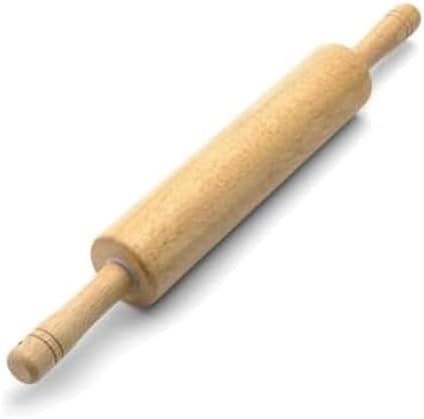
Wood remains the most versatile choice because it works well with nearly every type of dough. The natural surface provides enough grip to prevent slipping while staying smooth enough for even rolling.
Maple
Hard and durable, maple is the most popular wood choice for rolling pins. Its tight grain resists moisture and maintains its shape through years of regular use.
Walnut
Denser than maple with a rich grain, walnut pins have a satisfying weight. They develop a beautiful patina over time but need more careful maintenance to prevent staining.
Beech
European beech offers excellent durability with fine, even grain. It becomes naturally antibacterial and smoother with regular use.
Marble Rolling Pins
Marble stays naturally cool, making it perfect for pastry work where keeping butter cold matters most. The weight requires less pressure from you, and the smooth surface prevents sticking when properly floured.
The main drawbacks are weight and fragility – marble pins can tire your arms during long sessions and chip if dropped. They also need careful storage to prevent damage.
Stainless Steel Rolling Pins
Steel pins can be chilled in the freezer for exceptional pastry work and clean easily in the dishwasher. They’re completely non-porous and won’t absorb odors or flavors from different doughs.
The slick surface can be too smooth for some dough types, and the metal conducts heat quickly from your hands. Some bakers find the cold metal uncomfortable during extended use.
Rolling Pin Styles and Their Benefits
Design affects how much control you have and what techniques work best. Each style serves different skill levels and baking preferences.
French Rolling Pins
French pins have no handles – just a smooth tapered cylinder. Your hands stay in direct contact with the dough, providing better feedback about thickness and resistance.
They offer superior control for experienced bakers but require more skill to use effectively. They also take up less storage space and typically cost less than handled versions.
American Rolling Pins
Traditional handled pins have ball bearings that allow the center cylinder to rotate independently of the handles. This design reduces hand fatigue and makes rolling more intuitive for beginners.
The handles provide leverage but can limit your ability to feel thickness variations through the dough. The moving parts occasionally need cleaning or replacement over time.
Adjustable Rolling Pins
These pins come with removable rings that set specific thickness levels, usually ranging from 1/16 to 3/8 inch. They eliminate guesswork when recipes specify exact measurements.
Perfect for consistent results but the rings can leave slight impressions on delicate pastry. Most bakers find this minor issue acceptable given the convenience they provide.
How to Prevent Dough from Sticking
A few simple habits eliminate most sticking problems before they start.
- Chill the dough for 30 minutes before rolling to firm up the butter.
- Flour both the surface and the pin lightly before starting.
- Rotate the dough 90 degrees every few passes to maintain even thickness.
What to Look for When Buying a Rolling Pin
Several key features separate excellent rolling pins from disappointing ones. Focus on these characteristics when shopping to avoid common problems.
Size and Weight
Standard pins measure 12-18 inches long with 2-3 inch diameters. Longer pins handle larger batches efficiently but need more counter space and storage room.
Weight matters more than most people realize – heavier pins use gravity to your advantage, requiring less arm pressure for dense dough. Find the balance between helpful weight and comfortable handling.
Surface Quality
Smooth surfaces work best for most baking tasks, preventing dough from catching or tearing. Any texture should be minimal and even across the entire surface.
Avoid pins with deep grooves, rough patches, or visible seams that can snag delicate pastry dough. Run your hands over the entire surface before buying to check for imperfections.
Construction Features
- Solid construction without gaps where dough can collect
- Balanced weight distribution that feels comfortable in use
- Smooth bearing action on handled pins with no wobbling
- Durable finish that resists staining and moisture damage
For more essential baking tools, check our best baking sheet guide that complements your rolling pin choice perfectly.
Care and Maintenance for Longevity
Proper care extends your rolling pin’s life and maintains peak performance. Different materials need different approaches but all benefit from consistent maintenance habits.
Wooden Pin Care
Never soak wooden pins or put them in the dishwasher – moisture causes swelling, cracking, and warping. Wipe clean with a barely damp cloth immediately after use and dry completely.
For stuck dough, use a plastic scraper followed by light sanding with fine-grit sandpaper if needed. Apply food-safe mineral oil occasionally to prevent the wood from drying out.
Stone and Marble Maintenance
Clean with warm soapy water and dry immediately to prevent water spots. Avoid acidic cleaners that can etch natural stone surfaces over time.
Store carefully to prevent chips – even small ones can grow into cracks that ruin the pin. Wrap in soft cloth or store in padded drawers when possible.
Metal Pin Care
Most metal pins are dishwasher safe, making cleanup simple for busy bakers. Hand washing works equally well and may be gentler on any moving parts.
Dry thoroughly to prevent water spots and check bearing mechanisms occasionally for smooth operation. A drop of food-safe oil helps maintain smooth rotation.
Learn more professional pastry techniques at Serious Eats for expert guidance on dough handling.
Troubleshooting Common Rolling Problems
Even experienced bakers encounter rolling challenges with certain doughs or techniques. These solutions address the most frequent problems you’re likely to face.
Dough Sticking Issues
Sticking usually means insufficient flour on the pin, work surface, or both. Dust lightly but avoid over-flouring, which makes dough tough and affects texture.
Chilling sticky dough for 20-30 minutes often works better than adding flour. Cold dough holds shape better and releases more easily from both pin and surface.
Uneven Thickness Problems
Uneven thickness typically comes from inconsistent pressure or failing to rotate the dough regularly. Roll from center outward using steady pressure and quarter-turns every few passes.
Practice makes perfect, but adjustable rings provide mechanical consistency while you develop good technique. Visual guides like dowel rods also help maintain even thickness.
Dough Tearing and Cracking
Overworked dough tears because the gluten becomes too tight and elastic. Let dough rest 15-20 minutes covered if it keeps springing back or resisting your efforts.
Very cold dough also tears easily from brittleness. Let it warm slightly at room temperature before attempting to roll for best results.
Our best pastry brush recommendations can help with egg washes and finishing touches on your rolled pastries.
Frequently Asked Questions
What is the best rolling pin for beginners?
A handled wooden rolling pin is the easiest to control and the most forgiving for new bakers. The handles provide better grip and require less skill to achieve even results.
How do I prevent my wooden rolling pin from absorbing flavors?
Clean wooden pins immediately after use with mild soap and water, then dry completely. Store in a dry place and avoid letting strong-flavored ingredients sit on the wood for extended periods.
Are expensive rolling pins worth the cost?
Quality rolling pins last decades with proper care, making them worthwhile investments for regular bakers. Expensive pins typically have better balance, smoother surfaces, and more durable construction than budget options.
Can I put my rolling pin in the dishwasher?
Only silicone and some metal rolling pins are dishwasher safe. Never put wooden or marble pins in the dishwasher as moisture and heat cause warping, cracking, or other permanent damage.
What size rolling pin should I buy?
A 12-15 inch rolling pin handles most home baking tasks efficiently. Longer pins work better for large batches but require more storage space and counter room to use effectively.
Why does my dough keep shrinking back when I roll it?
Dough that springs back has overactive gluten from too much mixing or handling. Let it rest 15-20 minutes covered at room temperature to relax the gluten before trying to roll again.
Final Thoughts
Best Rolling Pin choices come down to your baking style and the dough you work with most. Wood offers the best balance of performance and versatility for most home bakers who handle various recipes.
Start with a quality basic rolling pin that matches your skill level and add specialized options once you understand your specific needs better. The right tool makes every baking session more enjoyable and produces consistently better results.

With over a decade of experience turning everyday ingredients into reliable, crowd-pleasing meals, Ryan knows firsthand the frustration of wasting time and effort in the kitchen. He specializes in clear, no-fuss guidance—breaking down techniques, time-saving tips, and smart shortcuts so that even complete beginners feel empowered and confident.
Subscribe to Our Newsletter