Room Temperature Ingredients In Baking make the difference between dense, tough results and light, fluffy treats. Most home bakers skip this step because it requires planning ahead. Understanding why temperature matters will change how you approach every recipe.
Cold ingredients fight against proper mixing and can ruin texture completely. When eggs and butter reach room temperature, they blend smoothly with other ingredients and create the structure your baked goods need.
TL;DR
- Room temperature butter creams with sugar 3 times better than cold butter
- Eggs at 70°F emulsify oils and liquids more effectively than cold eggs
- Cold ingredients cause curdling and uneven mixing in most batter recipes
- Taking ingredients out 1-2 hours before baking prevents most texture problems
Room Temperature Ingredients In Baking: The Foundation
Temperature controls how ingredients interact at the molecular level. When butter stays cold, it resists combining with sugar during the creaming process.
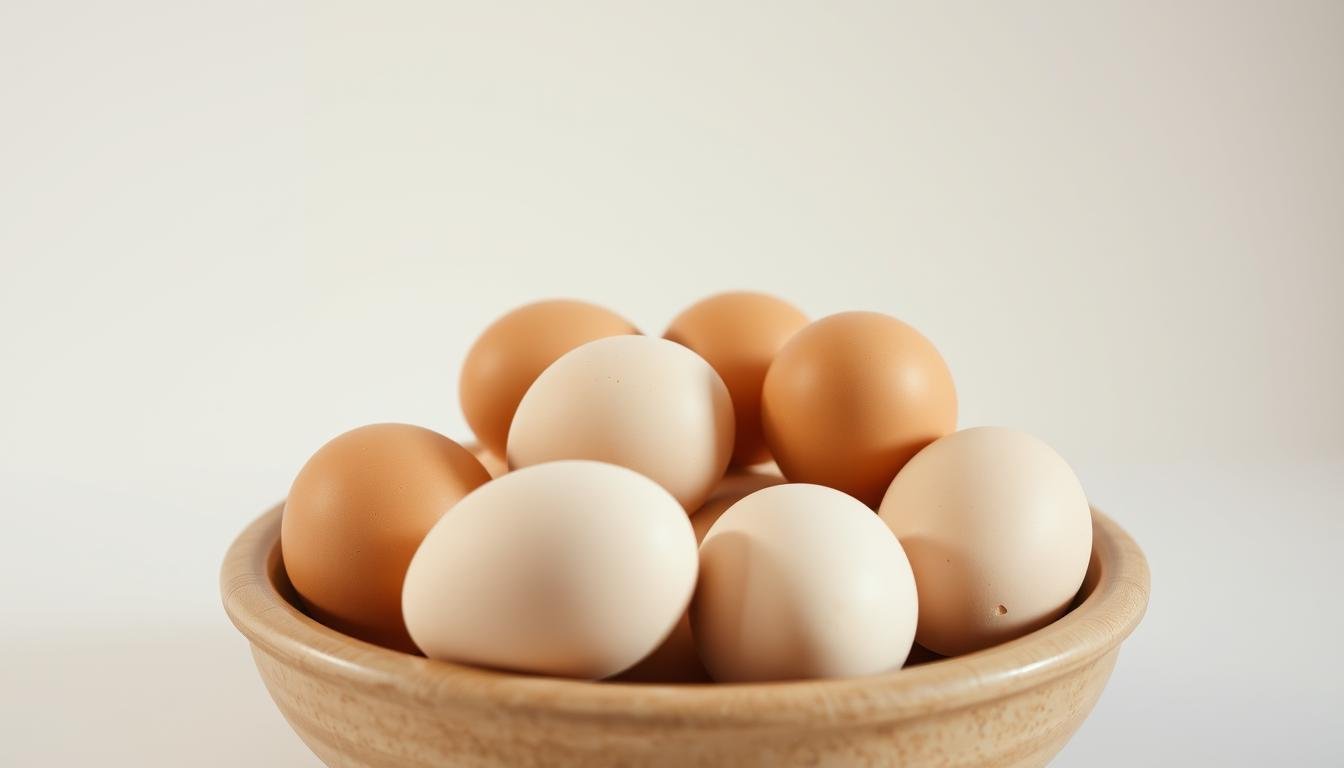
Room temperature eggs have thinner whites that incorporate air more easily. This creates better volume and structure in cakes and muffins.
The Science Behind Temperature Control
Butter contains fat crystals that soften gradually as temperature rises. At 65-70°F, butter becomes pliable enough to trap air bubbles during mixing.
Cold eggs create temperature shock when combined with room temperature butter. This causes the mixture to curdle or separate, leading to dense results.
How Emulsification Works
Eggs act as emulsifiers, helping oil and water-based ingredients stay combined. Cold eggs cannot perform this function effectively because their proteins remain tightly bound.
Room temperature eggs have relaxed proteins that surround fat molecules more easily. This creates stable emulsions that hold air and moisture.
Benefits of Room Temperature Eggs
Warmed eggs whip to greater volumes than cold ones. The proteins unfold more readily, creating stronger foam structures for light, fluffy pancakes and cakes.
Room temperature eggs also blend more completely with batters. This prevents streaking and ensures even distribution of leavening agents.
| Temperature | Mixing Time | Volume Increase |
|---|---|---|
| Cold (40°F) | 8-10 minutes | 20% |
| Room Temp (70°F) | 3-5 minutes | 50% |
Impact on Different Baked Goods
Cakes benefit most from room temperature eggs because they rely on air incorporation for rise. Cold eggs create dense, heavy layers that do not rise properly.
Cookies made with room temperature eggs spread more evenly during baking. The improved mixing creates consistent texture throughout each batch.
Advantages of Room Temperature Butter
Soft butter creams with sugar to create tiny air pockets throughout the mixture. These pockets expand during baking, creating tender crumb structure.
Cold butter cannot trap air effectively during creaming. The result is dense, tough baked goods with poor texture.
Testing Butter Temperature
Press your finger lightly into the butter stick – it should give way without melting or feeling hard.
- Perfect temperature leaves a clear fingerprint without oil residue
- Butter that is too cold will not dent at all
- Overwarmed butter will feel greasy and may have melted edges
Creaming Method Success
The creaming method works by beating butter and sugar together until light and fluffy. This process requires butter at exactly the right consistency to work properly.
Properly creamed butter mixture appears pale yellow and significantly increased in volume. Chocolate chip cookies made this way have better spread and chewier texture.
Quick Methods to Warm Ingredients
Cut butter into small cubes and let sit for 30-45 minutes. Smaller pieces warm faster than whole sticks.
Place eggs in warm (not hot) water for 5-10 minutes. This method brings them to room temperature without risk of cooking.
- Remove ingredients from refrigerator 1-2 hours before baking
- Cut butter into tablespoon-sized pieces for faster warming
- Submerge whole eggs in 70°F water if you forgot to take them out early
- Test butter by pressing gently – it should yield without being greasy
Emergency Techniques
Microwave butter in 5-second intervals until soft but not melted. Watch carefully to avoid overheating.
Crack eggs into a bowl and let sit in slightly warm water. This method is faster than warming whole eggs and allows better temperature control.
When Cold Ingredients Work Better
Pastry dough requires cold butter to create flaky layers. The cold fat stays solid during mixing, then melts during baking to create steam pockets.
Pie crusts and biscuits depend on this technique for proper texture. According to Serious Eats food science research, cold butter creates distinct layers that produce flakiness.
Frequently Asked Questions
How long does it take for eggs to reach room temperature?
Whole eggs need 30-60 minutes to warm from refrigerator temperature to room temperature naturally. Placing them in warm water reduces this to 5-10 minutes.
Can I use melted butter instead of softened butter?
Melted butter changes the recipe completely and creates different texture results. Only substitute melted butter when the recipe specifically calls for it.
What temperature is considered “room temperature” for baking?
Room temperature for baking ingredients means 65-70°F. This is slightly cooler than typical indoor air temperature but warm enough for proper mixing.
Do all baking ingredients need to be at room temperature?
Most recipes work best with eggs, butter, and dairy at room temperature. Dry ingredients like flour and sugar can stay at any temperature.
Why do my cakes turn out dense even with room temperature ingredients?
Dense cakes can result from overmixing after adding flour, using old leavening agents, or incorrect oven temperature. Room temperature ingredients help but are not the only factor.
Is it safe to leave eggs out for several hours?
Eggs can safely sit at room temperature for up to 2 hours according to food safety guidelines. Use them within this timeframe to avoid bacterial growth.
How do I know if my butter is the right temperature?
Properly softened butter yields to gentle pressure but holds its shape. It should not be greasy, melted, or completely hard.
Can I speed up the process with a heating pad or oven?
Avoid using heating pads or warm ovens as these methods can partially cook eggs or melt butter unevenly. Stick to room temperature warming or warm water methods.
Final Thoughts
Room Temperature Ingredients In Baking create the foundation for professional-quality results at home. This simple step prevents most texture problems before they start.
Plan ahead by taking eggs and butter out when you decide to bake. Your improved results will make the extra planning time worthwhile every single time.


Subscribe to Our Newsletter