What Should I Cook When I’m Tired and Hungry? The answer depends on how much energy you have left and what ingredients are available. When exhaustion hits hard, even basic meal prep can feel overwhelming.
Most people reach for processed snacks or skip meals entirely when they’re worn out. This creates a cycle of low energy and poor nutrition that makes everything worse.
Smart planning and simple techniques can break this pattern. You need fast solutions that actually nourish your body without demanding much effort or time.
TL;DR
- Scrambled eggs with vegetables take 5 minutes and provide complete protein plus fiber.
- Pre-cooked rotisserie chicken cuts meal prep time by 75% compared to raw chicken.
- Microwave steaming preserves 90% of vegetables’ nutrients while cooking in under 4 minutes.
- One-pan meals reduce cleanup time from 20 minutes to 5 minutes on average.
What Should I Cook When I’m Tired and Hungry – Quick Solutions
Your body needs fuel fast when energy levels drop. The key is choosing meals that deliver nutrition without complex preparation or long cooking times.
Focus on combining protein, healthy carbs, and vegetables in the simplest way possible. This approach stabilizes blood sugar and provides sustained energy rather than a quick spike and crash.
15-Minute High-Energy Meals
Fifteen minutes is enough time to create satisfying meals that restore your energy. These recipes use minimal ingredients and basic cooking methods.
The secret is starting with ingredients that cook quickly or are already prepared. Fresh vegetables, eggs, and pre-cooked proteins form the foundation of most quick meals.
Protein-First Options
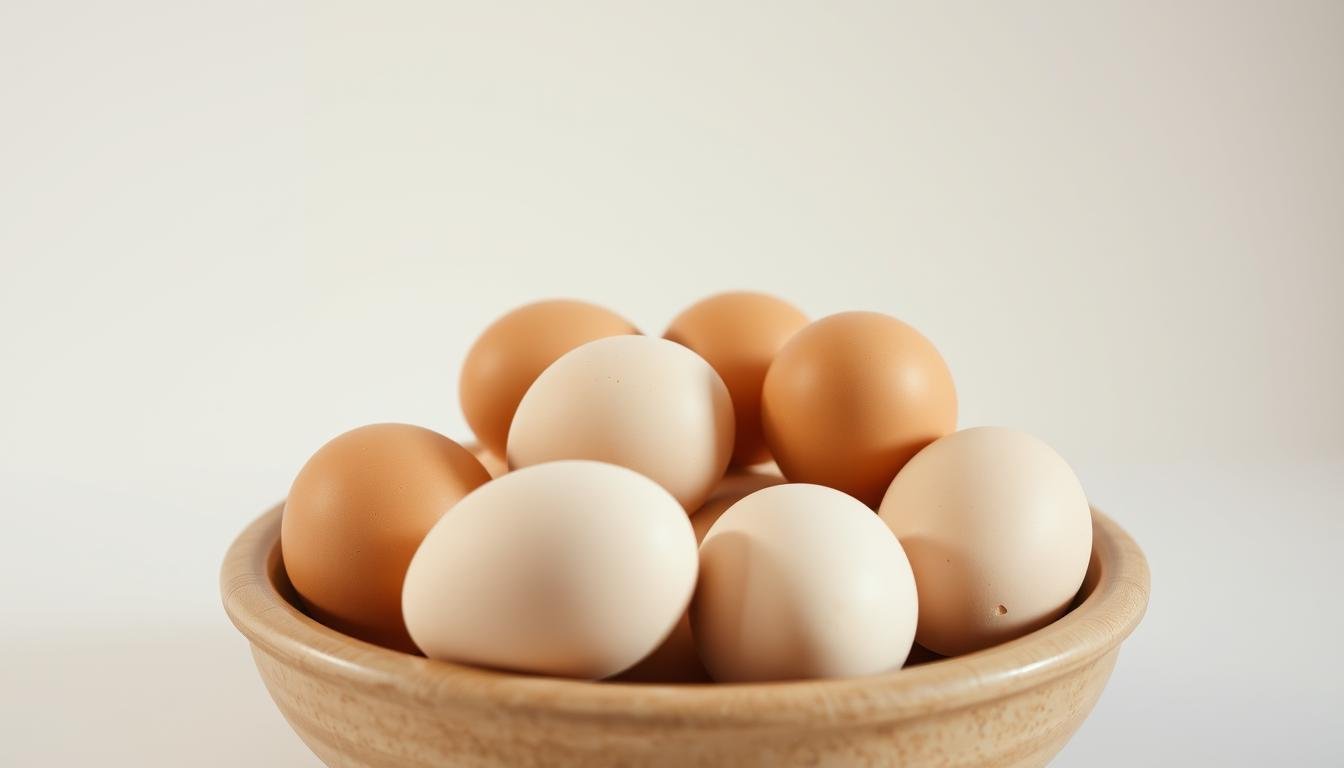
Scrambled eggs with spinach – crack three eggs into a hot pan with butter, add a handful of fresh spinach, and scramble until set. Tuna and white bean salad – drain one can each of tuna and white beans, mix with olive oil, lemon juice, and any herbs you have on hand.
Rotisserie chicken stir-fry – shred store-bought chicken and toss with frozen vegetables in a hot pan with soy sauce. Greek yogurt bowl – top plain Greek yogurt with nuts, seeds, and a drizzle of honey for instant protein and probiotics.
One-Pan Solutions
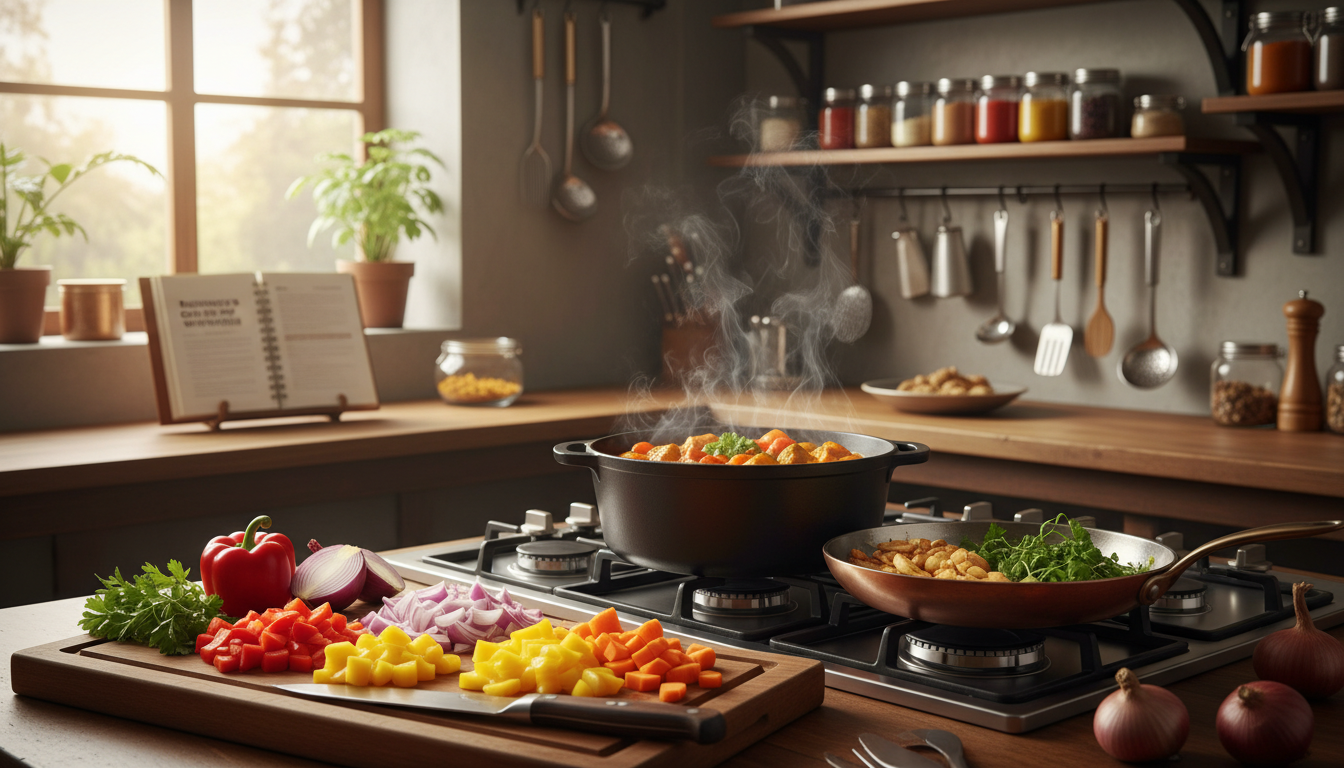
One-pan meals minimize both prep and cleanup. These recipes cook everything in a single skillet or sheet pan.
Sausage and vegetable hash – slice pre-cooked chicken sausage and cook with diced potatoes and bell peppers until crispy. Sheet pan nachos – spread tortilla chips on a baking sheet, top with cheese and canned beans, then broil for 3 minutes.
- Heat the pan before adding ingredients to prevent sticking.
- Cut vegetables into uniform sizes so they cook evenly.
- Season generously – tired taste buds need more flavor to feel satisfied.
Energy-Saving Prep Strategy
Keep these ingredients ready for instant meals when exhaustion hits.
- Pre-washed salad greens and baby spinach in the refrigerator.
- Hard-boiled eggs made on Sunday for the whole week.
- Frozen vegetables that steam in the bag in 4 minutes.
- Canned beans, rinsed and stored in glass containers.
No-Cook Assembly Meals
Sometimes you need food immediately without turning on any appliances. Assembly meals combine ready-to-eat ingredients into satisfying combinations.
The key is balancing flavors and textures to create meals that feel complete. Crunchy elements, creamy components, and bold seasonings make simple ingredients more appealing.
Protein-Packed Combinations
Hummus and vegetable wrap – spread hummus on a large tortilla, add sliced cucumbers, tomatoes, and lettuce, then roll tightly. Cottage cheese bowl – top cottage cheese with sliced avocado, cherry tomatoes, and everything bagel seasoning.
Deli meat roll-ups – spread cream cheese on deli turkey, add cucumber strips, and roll into pinwheels. Sardine toast – mash canned sardines with lemon juice and spread on whole grain bread with sliced radishes.
| Base | Protein | Crunch | Flavor |
|---|---|---|---|
| Greek yogurt | Nuts | Granola | Honey |
| Avocado | Hard-boiled egg | Seeds | Hot sauce |
| Crackers | Cheese | Pickles | Mustard |
Studies show that protein intake affects satiety more than any other macronutrient. Adding protein to every meal helps maintain energy levels and prevents overeating later.
Microwave Solutions for Maximum Speed
Microwave cooking gets unfairly dismissed, but it excels at steaming vegetables and reheating prepared foods quickly. Modern techniques can produce surprisingly good results in minutes.
The microwave works best for foods with high water content. Vegetables, grains, and foods in sauce heat evenly and retain most of their nutritional value.
Steamed Vegetable Combinations
Broccoli and cheese – steam fresh or frozen broccoli for 3 minutes, then top with shredded cheese and microwave 30 more seconds. Sweet potato and black beans – pierce a sweet potato and microwave 5-6 minutes, then top with canned black beans and salsa.
For even heating, arrange food in a circle around the edge of the plate. Cover with a microwave-safe lid or damp paper towel to trap steam and prevent drying out.
Mug Meals for Single Servings
Scrambled egg mug – crack two eggs into a large mug, add a splash of milk, and microwave in 30-second intervals while stirring. Oatmeal with protein powder – mix oats, protein powder, and milk in a mug, then microwave 2 minutes and stir in fruit.
Bean and rice bowl – combine instant brown rice, canned beans, and salsa in a large mug, add water, and microwave 2-3 minutes. Veggie soup – mix vegetable broth, frozen vegetables, and cooked pasta in a mug, then heat 2 minutes until steaming.
Perfect mixing bowls can double as microwave-safe serving dishes for quick meals. Choose glass or ceramic bowls that can go from prep to microwave to table.
Smart Kitchen Tools That Save Energy
The right tools reduce the physical and mental effort required to prepare food. Invest in equipment that handles multiple cooking tasks with minimal intervention.
Electric appliances like rice cookers and slow cookers work while you rest. They require only basic preparation but produce complete meals with little oversight.
Multitasking Appliances
Rice cooker versatility – steam vegetables in the top basket while cooking rice below, or add protein and seasonings for a complete one-pot meal. Air fryer speed – reheat leftovers in 3 minutes or cook frozen vegetables with a crispy texture in 8 minutes.
Slow cooker convenience – combine ingredients in the morning for a hot meal when you return home tired. Electric kettle efficiency – boil water in 2 minutes for instant oatmeal, cup noodles, or hot tea.
A good stock pot allows batch cooking on weekend days when energy is higher. Make large quantities of soup or stew to reheat throughout the week.
Prep Tools That Simplify Cooking
Sharp knives – reduce the force needed to chop vegetables and make prep work faster and safer. Kitchen shears – cut herbs, trim vegetables, and portion proteins without using a cutting board.
Sheet pans – roast complete meals with protein and vegetables cooking together at the same temperature. Microplane grater – add fresh garlic, ginger, or citrus zest to boost flavor without chopping.
Simple tools often outperform complex gadgets when energy is low. A sharp knife and sturdy cutting board handle most food preparation tasks efficiently.
Frequently Asked Questions
What should I keep in my pantry for tired cooking days?
Stock canned beans, instant grains like quinoa and brown rice, nut butter, canned fish, and frozen vegetables. These ingredients combine into complete meals without fresh shopping.
How can I make simple meals more satisfying when I’m exhausted?
Add healthy fats like avocado, olive oil, or nuts to increase satiety. Include umami-rich ingredients like soy sauce, parmesan cheese, or tomato paste for deeper flavor.
Is it okay to eat the same simple meal repeatedly when tired?
Yes, eating the same nutritious meal is better than skipping meals or choosing processed foods. Rotate between 3-4 simple options to prevent complete monotony.
What’s the fastest way to add vegetables to quick meals?
Keep pre-washed salad mixes, frozen vegetable blends, and canned tomatoes on hand. They require no prep and cook in minutes or can be eaten raw.
How do I avoid cleanup when cooking tired meals?
Use disposable plates occasionally, cook directly in serving bowls when possible, or line pans with parchment paper. One-pot meals and microwave cooking also minimize dishes.
Should I meal prep when I know I’ll be tired during the week?
Light meal prep helps – wash vegetables, cook grains in batches, and pre-portion snacks. Avoid complex meal prep that creates pressure when you’re already exhausted.
What drinks help when I’m tired and need quick energy?
Choose protein smoothies, milk with a small amount of honey, or herbal tea with a small snack. Avoid caffeine late in the day as it can worsen the tired-hungry cycle.
How do I know if a quick meal has enough nutrition?
Include protein, vegetables or fruit, and a source of healthy carbs or fats. Even simple combinations like yogurt with fruit and nuts provide balanced nutrition.
Final Thoughts
What Should I Cook When I’m Tired and Hungry comes down to preparation and smart ingredient choices. The best tired-day meals use minimal cooking techniques while delivering maximum nutrition and satisfaction.
Start building a collection of 5-7 go-to recipes that work with ingredients you always have available. Practice these meals when you have energy so they become automatic when exhaustion hits.
Remember that feeding yourself well during tired periods prevents the energy crashes that make everything harder. Simple, nourishing meals are an investment in better days ahead.
Subscribe to Our Newsletter