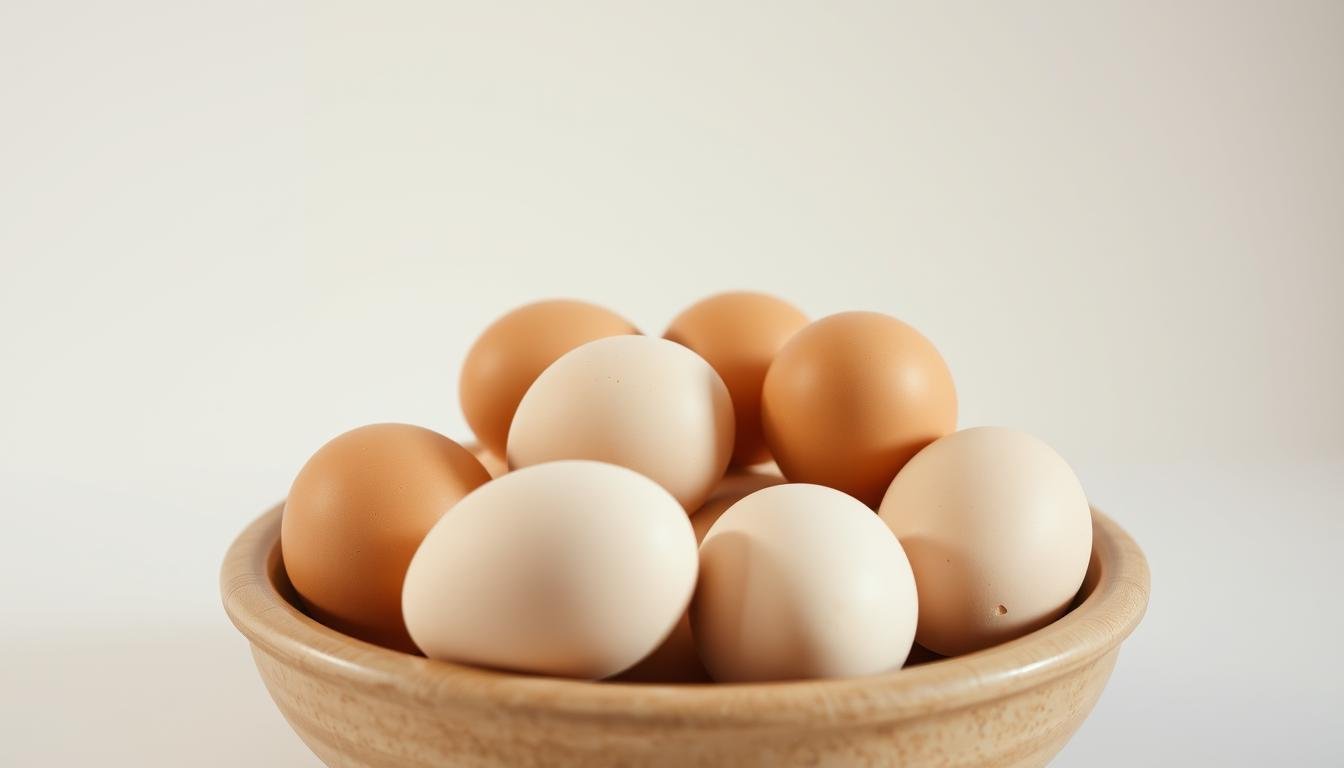
How To Stock A Pantry For Easy Everyday Meals requires the right ingredients and smart organization. Most home cooks struggle because they lack the basics needed for quick, satisfying dishes.
A well-stocked pantry becomes your kitchen’s foundation for stress-free cooking. You can create meals without multiple grocery store trips or expensive takeout orders.
TL;DR
- Pantry meals cost 60% less than restaurant food and reduce weekly grocery trips by half.
- Five core categories cover most needs: grains, canned goods, oils, spices, and proteins.
- Proper storage containers extend shelf life by up to 12 months for dry goods.
- A rotation system prevents waste and keeps ingredients fresh for better-tasting meals.
How To Stock A Pantry For Easy Everyday Meals
Start with grains that form the backbone of countless dishes. Rice, pasta, quinoa, and oats provide filling bases that pair with almost any protein or vegetable.
Add canned and jarred goods next for instant flavor and nutrition. Tomatoes, beans, broth, and coconut milk turn simple ingredients into complete meals.
Essential Grains and Starches
Stock multiple grain varieties to avoid meal repetition. Brown rice cooks in 45 minutes and stores well in large batches.
Pasta comes in shapes that serve different purposes. Long pasta works for cream sauces while short shapes hold chunky vegetables and meat.
- White rice – cooks fastest for weeknight meals
- Brown rice – adds fiber and nutty flavor
- Quinoa – provides complete protein
- Rolled oats – works for breakfast and baking
- Whole wheat pasta – holds sauces well
Canned Goods and Shelf-Stable Proteins
Canned beans replace expensive fresh proteins in many dishes. Chickpeas, black beans, and kidney beans add substance to salads and soups.
Tomato products form the base for countless sauces and stews. Keep whole tomatoes, paste, and sauce on hand for different cooking methods.
- Canned beans – rinse to reduce sodium content
- Crushed tomatoes – perfect for quick sauces
- Coconut milk – adds richness to curries
- Tuna and salmon – ready protein for salads
- Low-sodium broth – improves rice and grain flavor
Oils, Vinegars, and Flavor Builders
Quality cooking oil makes the difference between good and great food. Olive oil works for most cooking while neutral oils handle high-heat methods.
Vinegars brighten heavy dishes and create quick salad dressings. Balsamic, apple cider, and white wine vinegars cover most recipe needs.
| Oil Type | Best Use | Smoke Point |
|---|---|---|
| Extra virgin olive oil | Dressings, low heat | 375°F |
| Avocado oil | High heat cooking | 520°F |
| Vegetable oil | Frying, baking | 400°F |
Spices and Dried Herbs
A small collection of quality spices transforms bland ingredients into exciting meals. Buy whole spices when possible and grind them fresh for better flavor.
Store spices away from heat and light to maintain potency. Replace ground spices every two years and whole spices every four years.
- Salt and black pepper – use kosher salt for better control
- Garlic powder – adds flavor without prep work
- Cumin – essential for Mexican and Middle Eastern dishes
- Paprika – provides color and mild heat
- Dried oregano – works in Italian and Greek cooking
Smart Shopping Strategy
Shop sales to build your pantry gradually without breaking your budget.
- Buy non-perishables in bulk when they’re 30% off regular price.
- Stock up on canned goods during case lot sales twice yearly.
- Use store loyalty programs to track prices and plan purchases.
- Focus on versatile ingredients that work in multiple cuisines.
Storage and Organization Systems
Proper storage extends ingredient life and prevents waste. Transfer dry goods to airtight containers within a week of purchase.
Label everything with contents and purchase dates. Use a first-in, first-out rotation system to use older items before they expire.
- Choose clear containers so you can see contents and quantity at a glance.
- Group similar items together in designated pantry zones.
- Place frequently used items at eye level for easy access.
- Store heavy items on lower shelves for safety and convenience.
According to the FDA Food Waste and Loss data, proper storage can reduce household food waste by up to 40%.
Quick Meal Templates
Master a few basic formulas that work with pantry ingredients. These templates adapt to whatever proteins or vegetables you have available.
One-pot meals save time and reduce cleanup while maximizing flavor. Sheet pan cooking offers similar convenience with different textures and cooking methods.
- Grain bowl – cooked grain plus protein plus vegetables plus sauce
- Stir-fry – protein plus vegetables plus aromatics plus sauce over rice
- Pasta dish – pasta plus protein plus vegetables plus cheese or sauce
- Soup – broth plus vegetables plus protein plus grains or beans
Frequently Asked Questions
How much should I spend to stock a pantry initially?
Budget $150-200 for basic pantry staples that will last 2-3 months. Focus on versatile ingredients first and add specialty items gradually.
Which pantry items expire fastest and need regular replacement?
Oils, nuts, and whole grain flours go rancid within 6-12 months. Ground spices lose potency after 2 years while whole spices last up to 4 years.
Can I stock a pantry in a small kitchen or apartment?
Yes, use vertical storage solutions and multi-purpose containers. Focus on compact, versatile ingredients that work in many different recipes.
What’s the difference between pantry staples and specialty ingredients?
Staples work in multiple cuisines and dishes while specialty ingredients serve specific recipes. Build your foundation with staples first.
How do I prevent pantry ingredients from going stale or attracting pests?
Use airtight containers for all dry goods and clean spills immediately. Check expiration dates monthly and store items in cool, dry areas.
Should I buy organic pantry staples?
Prioritize organic for items you use frequently like oils and grains. Conventional versions of canned goods and spices offer similar nutrition and flavor.
How often should I take inventory of my pantry?
Check your pantry monthly to use items before expiration and create shopping lists. Do a complete cleanout and reorganization every 6 months.
What pantry meals can I make in under 20 minutes?
Pasta with canned tomatoes and herbs, rice bowls with beans and vegetables, or quesadillas with canned beans and cheese all cook quickly. Keep pre-cooked grains on hand to speed up meal assembly.
Final Thoughts
How To Stock A Pantry For Easy Everyday Meals becomes simple when you focus on versatile, quality ingredients. Start with grains, canned goods, and basic seasonings that work across multiple cuisines.
Build your collection gradually and organize everything for quick access. A well-planned pantry saves money, reduces food waste, and makes home cooking less stressful every single day.


Subscribe to Our Newsletter